A windshield is not a pane of glass. It is a structural member, an optical instrument, a shield, and a life-safety component that must perform in quiet ways every single mile. When it works, you forget it exists. When it fails, everything else becomes secondary. I have spent years on shop floors and test tracks with technicians, adhesive reps, and insurance adjusters, and the pattern is always the same: quality pays for itself. You see it in the way a cabin stays quiet in a crosswind, in how a roof holds its line in a rollover, and in whether an airbag deploys into a firm surface instead of a collapsing void. Auto glass - especially the windshield - occupies a rare intersection of physics, chemistry, craftsmanship, and ethics.
What a windshield actually does
In modern vehicles, the windshield carries load. On many unibody cars and SUVs, it contributes 20 to 30 percent of the torsional stiffness. In a rollover, it helps keep the roof geometry intact. During a frontal crash, the windshield provides a backstop for the passenger airbag. That bag deploys upward and then back toward the occupant, relying on the glass to create a curved surface that directs the cushion. If the glass lets go because the urethane bond was poor, the bag can blow the windshield out, then fire into the cowl void. The timing is measured in milliseconds. The result is measured in injuries.
The glass also manages energy and optics. Laminated windshield construction pairs two glass layers with a polyvinyl butyral interlayer. That sandwich holds shards in place during a break, filters ultraviolet light, blocks some noise, and lets HUD projections and ADAS cameras see clean data through a controlled optical path. The curvature is designed to minimize distortion where your eyes dwell, which is why a low-quality replacement can introduce a faint funhouse effect at the edges or halos around headlamps at night. That subtle haze some drivers notice after a cheap install is not cosmetic. It is fatigue over a long road trip, a delay recognizing a brake light in the rain, and more time squinting than paying attention to motion.
Laminated versus tempered: the right glass in the right place
Front windshields are laminated by law in most markets for good reason. Side and rear windows are usually tempered, which means they are heat treated to increase strength and they crumble into small pellets when broken. Each has a job. The front needs to remain in place and maintain visibility after an impact. Side and rear glass usually need rapid exit and less risk of laceration.
I have seen vehicles come into small shops with aftermarket windshields that claimed “laminated,” yet the interlayer was thin and the acoustic film missing. On the surface, the pane fit. On the highway, the owner noticed booming and a shimmer around oncoming lights. A few hundred dollars saved on paper turned into three separate visits and finally a second replacement. If you drive a luxury sedan or a high-trim SUV, your factory glass may be acoustic laminated with a special interlayer that trims 2 to 3 dB of wind noise at speed and tames high-frequency hiss. Once you get used to that silence, a generic replacement feels like riding with a window cracked open.
The quiet truth about adhesives
Walk into a serious Auto Glass Replacement bay and you will smell urethane. The adhesive is the unsung hero. Its chemistry, cure speed, and proper application matter as much as the glass itself. “Safe drive-away time” is not marketing fluff; it is the number of minutes or hours before the urethane develops enough strength to hold the windshield during a crash. That number changes with temperature, humidity, the bead thickness, and the adhesive brand. I have watched techs hang a temperature and humidity chart by the gun rack, measure the bead height with a gauge, and log the vehicle release time on the work order. That is what diligence looks like.
A rushed mobile install on a damp morning can leave the urethane undercured. It will feel set to the touch, but the bond line, especially at the bottom edge where water pools, may not reach full strength for many hours. The shop that throws a car out the door too soon takes on liability you carry unknowingly. When I let friends borrow my old coupe, I used to warn them not to wash it for 48 hours after a windshield job and to park it nose-up on my driveway so water would not sit against the fresh bead. It sounded fussy. It preserved the bond.
Calibration is not optional anymore
Ten years ago, windshield replacement meant cutting the old pane out, prepping the pinch weld, laying a new bead, and dropping in new glass. Today, that is just the opening act. Advanced driver-assistance systems put cameras and sensors behind the glass. Lane-keeping, auto high beams, traffic sign recognition, forward collision warnings - these rely on precise alignment. A half-degree camera misalignment can push a car toward a painted line or reduce the range at which it recognizes a stopped vehicle. Windshield Repair can stabilize chips, but if you need Windshield Replacment - that misspelling shows up on paperwork more often than you think - you often need calibration after the glass goes in.
There are two broad types: static calibration on a level surface with printed targets at measured distances, and dynamic calibration on the road following a specific drive cycle. Some cars require both. The service bay needs enough space to set targets at 3 or 4 meters, and it needs controlled lighting that will not wash out the patterns. I visited a shop that converted a storage room into a calibration lane with a leveled floor, blackout curtains, and a laser alignment rig. Their comebacks dropped to near zero. Insurance carriers started sending them the trickier jobs. That is the business case for doing it right.
Repair versus replacement: good judgment beats blanket rules
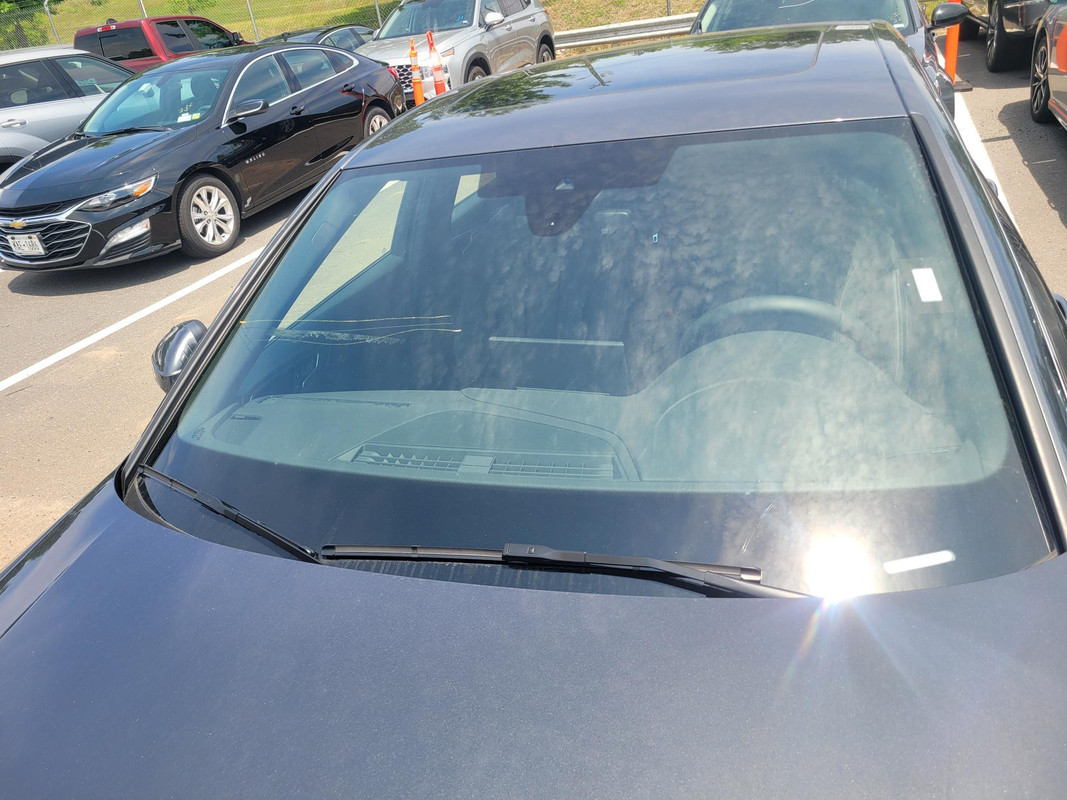
A chip the size of a dime outside the driver’s primary viewing area, clean edges, no cracks reaching the edge - that is a strong candidate for Windshield Repair. A good technician will inject resin under vacuum and pressure, cure with UV, then polish the surface. The goal is structural stability first, aesthetics second. The repaired spot often looks 70 to 90 percent better. It is not invisible, and that is fine. If a crack runs from the edge inward, or if there are multiple impact points in a tight cluster, replacement is the safe choice.
I tend to be conservative with anything in front of the driver. Even a small pit directly in the line of sight can cast flares at night. If you commute on dark two-lanes and your eyes are on the tired side at the end of the day, you will notice every imperfection. On the other hand, a small star break near the passenger side may live there happily for years if repaired quickly. Time matters. Chips collect moisture, dirt, and wax. The cleaner the damage when the resin goes in, the better it bonds. If you can, cover a fresh chip with clear packing tape and head to a reputable shop within a day or two.
The craft that separates a premium install from a passable one
You can feel the difference before the new glass meets the car. A premium installer treats the vehicle like a piece of architecture. They lay protective covers, remove cowl panels instead of flexing them, replace brittle clips rather than snapping them back and hoping. The pinch weld receives a proper prep: old urethane trimmed to a uniform thickness, corrosion treated with primer, bare metal covered. The bead, applied in one continuous pass, has a clean triangular profile. The glass is set with suction cups and a setting tool, not a shoulder and a grunt. Those small disciplines avoid stress risers, leaks, and optical distortion.
I once watched a tech pause after set-down and sight along the A-pillar at a low angle, looking for an even reveal and checking for any twist. He lightly pressed the perimeter with gloved knuckles, listening for hollow spots. He did not find any because he rarely does. That level of attention is not an accident. Shops that invest in training and reward quality find and keep techs who care about the details.
OE, OE-equivalent, and aftermarket: what is actually different
Not all glass of the same size is equal. Original equipment (OE) glass bears the automaker’s logo and, in many cases, comes from the same manufacturer that made the factory piece. OE-equivalent glass is built to meet the same federal standards and may come from the same mold supplier but without the automaker branding or acoustic layers. Aftermarket glass spans a range: some is excellent and indistinguishable from OE in clarity and fit, some is acceptable for a budget replacement, and some will introduce distortion or sit proud at the edges.
On higher-end vehicles with HUD, rain sensors, heated wiper parks, and cameras, OE or the closest OE-equivalent that supports every feature is worth the premium. I have seen HUD ghosting from slightly different interlayer refractive properties. The image doubles in bright sun and is distracting enough that owners turn the feature off. Pay for the correct spec up front and you avoid chasing gremlins.
Safety beyond the crash test: visibility, noise, and fatigue
Safety is not only about a crash. It is about how alert a driver remains over hours. Clarity, acoustic control, and a stable temperature band reduce fatigue. Laminated acoustic windshields can drop the whoosh that normally lives around 250 to 1,000 Hz. That zone is where road roar and wind eddies wear on your brain. Combine that with high-quality wiper blades gliding over a hydrophobic coating and you have less smear and less noise. You see more, you think clearer, you react faster. On a wet night with truck spray and oncoming headlights, that is the edge you want.
I keep a short log of wiper performance for my own cars. It sounds obsessive, but it helped me spot a pattern: cheap blades chatter earlier on non-OE glass that has not been properly cleaned of release agents. A thorough clay and alcohol wipe on new glass before applying a ceramic or fluoropolymer coating extends blade life by months. The right prep lowers the cost of ownership quietly.
When a cheap job becomes an expensive mistake
There is a story every auto glass professional can tell. Mine is an S-class that arrived after a bargain mobile install. The owner complained about a whistle at 60 mph, a faint water leak after a touchless wash, and a lane-keep warning that went from polite to frantic. Lancaster windshield repair The cowl clips had been re-used instead of replaced. The urethane bead had voids near the lower corners, almost certainly from lifting and resetting the glass. The camera had not been calibrated. The car was new enough that the owner still used the delivery protective mats. We stripped the windshield, prepped the aperture properly, installed OE glass, and ran a static then dynamic calibration. The invoice was painful. The owner paid it with a mixture of relief and regret. He had already burned time at two other shops. The difference between a fair price and a cheap price was not a few dollars. It was three lost afternoons and trust.
How to vet a provider without a degree in adhesives
You do not need to quiz a shop on tensile strength curves to make a wise choice. You can ask three or four practical questions and listen to the cadence of the answers. Do they specify the adhesive brand and safe drive-away time for your vehicle and the day’s conditions? Will they replace the cowl and A-pillar clips, or re-use them? How will they handle ADAS calibration - in-house with targets and certification, or subcontracted - and what does that add to the timeline? Are they installing OE, OE-equivalent, or a particular aftermarket brand, and can they explain the trade-offs for your car’s options?
A credible shop answers directly, not defensively, and often adds context. The best ones will decline to schedule you on a day with heavy rain if they cannot guarantee a dry bay, or they will insist on bringing the car into the shop rather than doing it in a driveway. That insistence reads as inconvenience. It is actually risk management on your behalf.
Insurance, deductibles, and the fine art of alignment
A lot of Windshield Replacment runs through insurance. Policies differ, and some states treat auto glass as a separate coverage item with zero deductible. The trap is letting an insurer steer you to the cheapest network provider without considering your vehicle’s equipment. You are within your rights to request a specific shop. Some carriers will pay for calibration only if it is documented with scan reports from before and after. Good shops provide those. Some require pre-authorization for OE glass on vehicles over a certain age. If you get pushback, frame your request around safety features: the camera mount type, HUD, rain sensor, acoustic interlayer. Chicago or Phoenix, summer or winter, the logic stays the same. Align your insurance claim with the technical needs of the car, not a generic line item.
Seasonal stress: heat, cold, and thermal shock
Glass lives a hard life. Park in the sun, crank the AC, and your windshield runs a steep temperature gradient. Add a pre-existing chip near the edge and you can hear the crack at an inopportune moment, a sharp tick that lengthens into a thin white filament. In winter, blasting a defroster onto a frigid windshield does the same. Quality glass manages those stresses better, but no glass is invincible. The interlayer and the expansion coefficients of the laminate stack matter. I have noticed fewer spontaneous edge cracks on premium OE windshields in climates with big daily swings. If you live in the high desert or a northern state, the small preventive moves help: fix chips early, ramp the defroster up instead of slamming it on high, and avoid scraping aggressively at the same corner every morning.
Why mobile service can be great - and when it is not
Mobile Auto Glass Replacement can be safe and convenient if the tech controls the environment. Shade, dry air, correct temperatures, and the ability to level the vehicle are non-negotiable. On a breezy day, airborne dust contaminates the bead. On a freezing morning, urethane chemistry slows. I like mobile installs for simple tempered side glass, for quick chip repairs, and for windshields on vehicles without ADAS where the weather cooperates. I prefer a controlled bay for complex windshields, high-end cars, heavy rain, or when calibration is required. A premium mobile crew will self-select out of marginal conditions and reschedule. If they do not, that is your cue.
The small items that separate a refined result from a merely acceptable one
I will take a quiet, leak-free, calibrated windshield over perfection in cosmetics. Still, there are finishing touches that show pride. A clean reattachment of VIN etching visibility without distortion. Proper re-adhesion of rain-light sensor gel pads, not a reused, cloudy puck. New trim clips that hold panels flush, avoiding a ripple line you notice every time you walk up to the car. A wiper park position checked and adjusted to the original sweep. A final glass polish that removes the faint haze of shop dust and leaves you with clear optical continuity from dash to sky.
These do not add much time. They add satisfaction every day you drive.
When repair saves the day
There is a satisfying moment when a resin fill completes and a star break collapses into a faint dot. A skilled tech knows when to massage a leg of a crack with a probe to encourage resin flow, when to swap between low and medium viscosity resins, and how long to UV cure each stage. They will tell you honestly if the repair will remain visible and whether the structural improvement is worth it in your case. I have watched customers relax when they hear, “Yes, we can stabilize this,” and then watched them learn to ignore the small visual remnant. Windshield Repair is one of those services where experience shows immediately. If your schedule allows, ask to wait and watch from a safe distance. You will learn how your car’s safety layer behaves.
A brief owner’s checklist for better outcomes
- Photograph any chips or cracks immediately, cover with clear tape if you cannot get to a shop same day, and avoid power washing the area. Ask installers about adhesive brand, safe drive-away time, and whether ADAS calibration is required and performed in-house. Specify OE or OE-equivalent when your car has HUD, acoustic glass, rain sensors, or camera systems, and get the exact part number on the estimate. Plan the appointment for a day with good weather or at a shop bay, and give the urethane the full cure window before hitting highways. Replace wiper blades after a new windshield, clean the glass thoroughly, and consider a hydrophobic coating to preserve clarity.
The value proposition of quality, put plainly
The price difference between a bargain windshield job and a quality one might cover a nice dinner for two, sometimes a weekend away if you add OE glass and calibration. The value difference is counted in the silence at 70 mph, the lack of mystery leaks when the first real storm arrives, the confidence that your ADAS works exactly as designed, and the structural integrity you never see except when it matters most. It is counted in fewer appointments, fewer phone calls, fewer distractions during the drive.
I keep cars a long time. Over those years, the cumulative return on upfront quality grows. Trim that still snaps tight, glass that does not fog at the edges, a cabin that remains calm on rough pavement - all of it adds to the sense of a machine aging gracefully. Quality Auto Glass is part of that stewardship.
Bringing it home
Walk around your vehicle and look at the windshield as if you were buying the car today. Do the reveals align evenly along the A-pillars. Is there any waviness when you sight along the top edge. Are the wipers smooth, quiet, and consistent across the arc. If there is a chip, is it clean and dry, or already stained. Those small observations guide good decisions. If a replacement is coming, choose a shop that treats the work like a craft, not a commodity. Insist on the right glass for your options and climate. Budget the time for proper curing and calibration. Your vehicle will reward you with quiet, clarity, and safety that does not draw attention to itself. It will simply be there, mile after mile, the way a luxury experience should feel.
Auto glass is not the thing you brag about when you hand over the keys to a friend. It is the reason you feel settled as the road unwinds. That is why quality matters. That is why it always will.